




17/11/2025
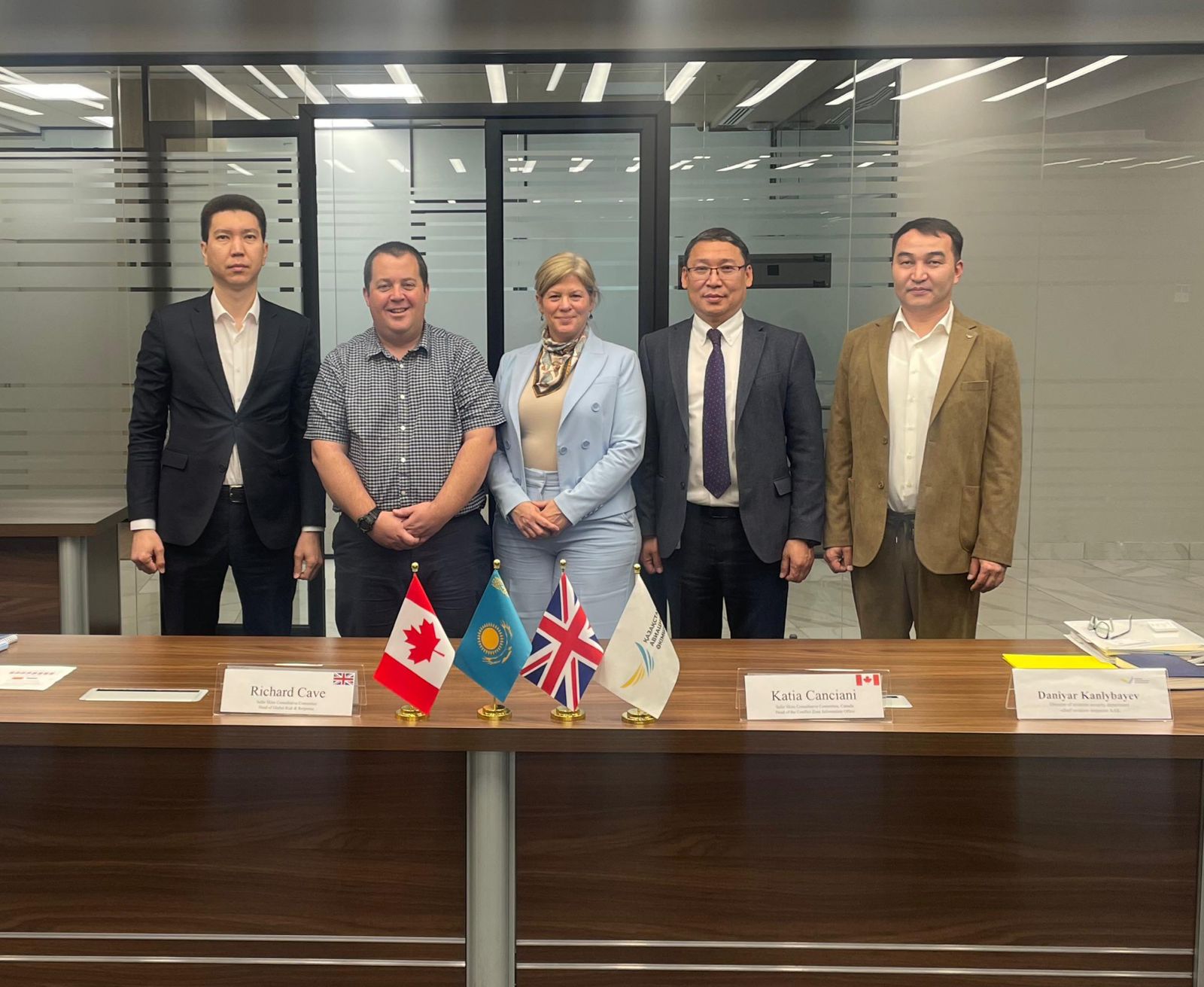
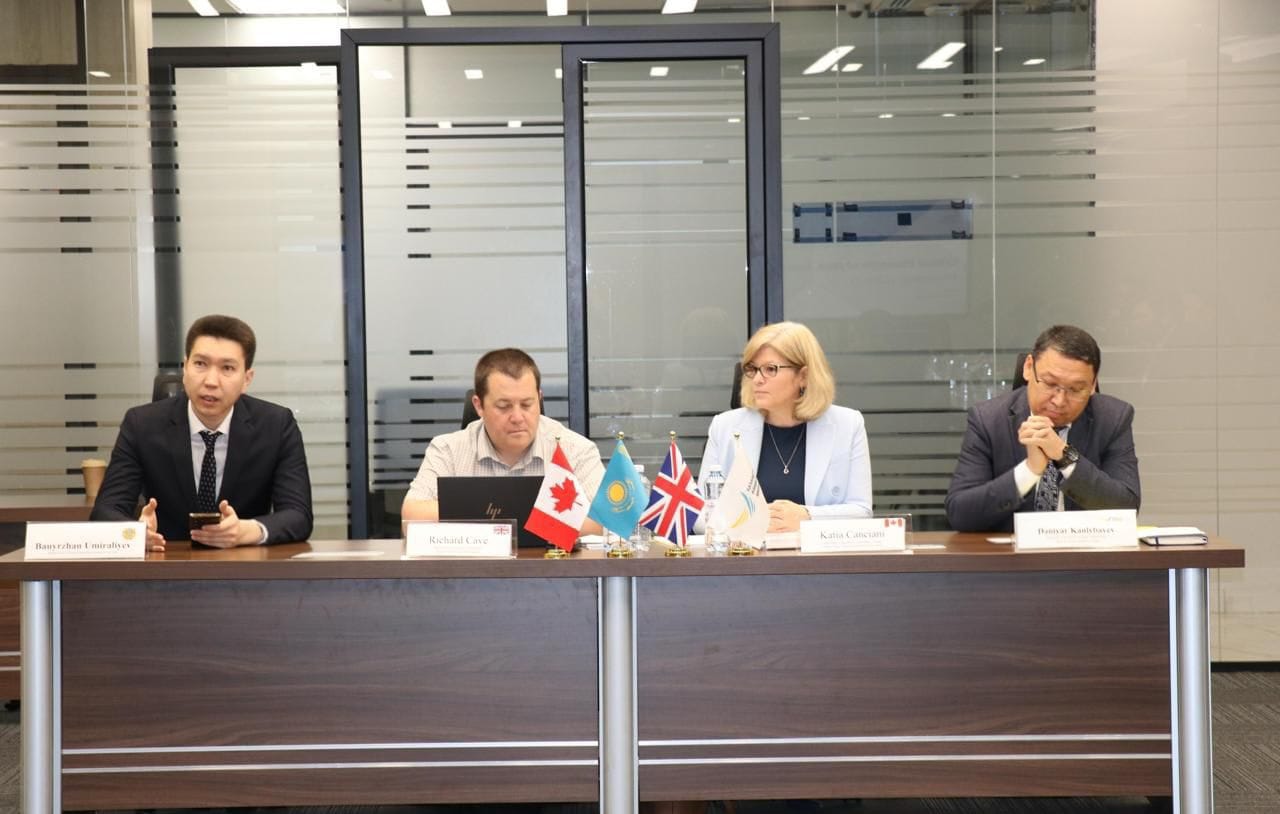
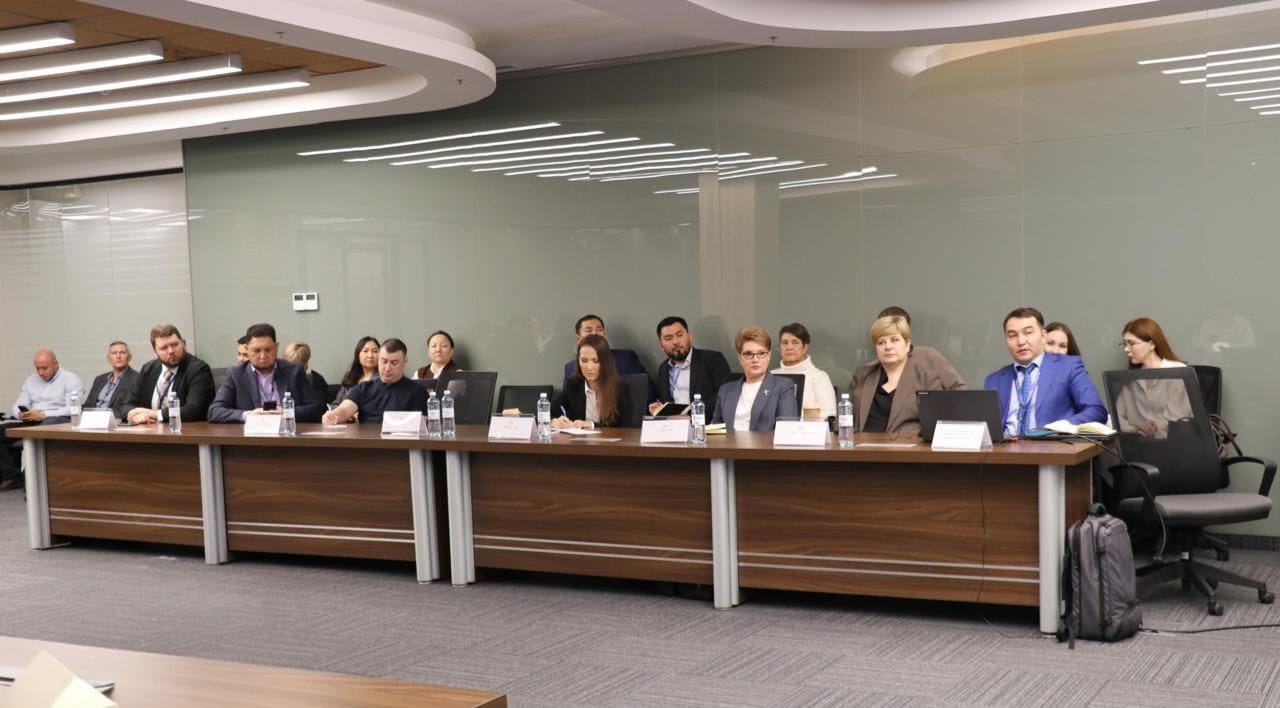
The Aviation Administration of Kazakhstan held an international workshop in Astana dedicated to aviation security in the context of armed conflicts. The event brought together representatives of government agencies, the aviation industry, and leading foreign experts. The keynote speakers were Katia Canciani, Head of the Conflict Zone Information Office at Transport Canada and Chair of the Safer Skies Consultative Committee (SSCC), and Richard Cave , Head of the Global Risk and Response Team at the UK Department for Transport and Deputy Chair of the Safer Skies Consultative Committee (SSCC).
The Kazakh side presented its own approach to threat monitoring and risk analysis, as well as the practical application of ICAO recommendations, including the Doc 10084 methodology.
Experts from Kazakhstan, Canada, and the United Kingdom exchanged practical tools for risk assessment, threat-scenario modelling, analysis of the air situation, and data sharing over unstable regions. A separate session focused on interagency coordination and the need for timely information exchange among government bodies.
The event underscored Kazakhstan’s key role on the international SSCC platform, which brings together states and aviation organizations to exchange information and develop common approaches to assessing the risks of flights over armed conflict zones. The Committee coordinates cooperation among countries, promotes best practices and ICAO recommendations, and contributes to enhancing global aviation security. Kazakhstan reaffirmed its commitment to developing its own risk-assessment model in line with global standards.
The workshop provided an opportunity for valuable knowledge sharing and strengthened the readiness of government agencies to act in a coordinated, timely, and data-driven manner. The insights gained will directly enhance the country’s ability to promptly identify threats, make informed decisions, and ensure flight security amid growing global instability.